Optimal Timing for Concrete Leveling
Concrete leveling is a process that restores the surface of uneven or sunken concrete slabs to a smooth, level condition. Timing plays a crucial role in achieving optimal results, as environmental factors can impact the effectiveness and longevity of the repair. Proper scheduling ensures that the concrete is worked on under suitable weather conditions, preventing issues like cracking or improper curing.
Spring and fall are generally the best times for concrete leveling due to moderate temperatures and lower humidity, which promote proper curing and adhesion.
Performing concrete leveling when temperatures are between 50°F and 85°F helps prevent issues related to freezing or excessive heat, ensuring a durable repair.
Rain, snow, or extreme cold can delay or compromise the process. It is best to avoid scheduling during adverse weather to ensure proper setting and curing.
Allowing sufficient time for curing after leveling is essential. Typically, concrete should cure for at least 24 to 48 hours before exposure to foot traffic or vehicles.
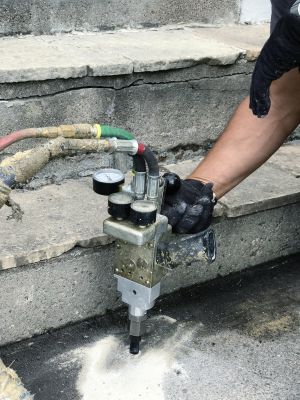
A technician applies specialized materials to raise sunken slabs.
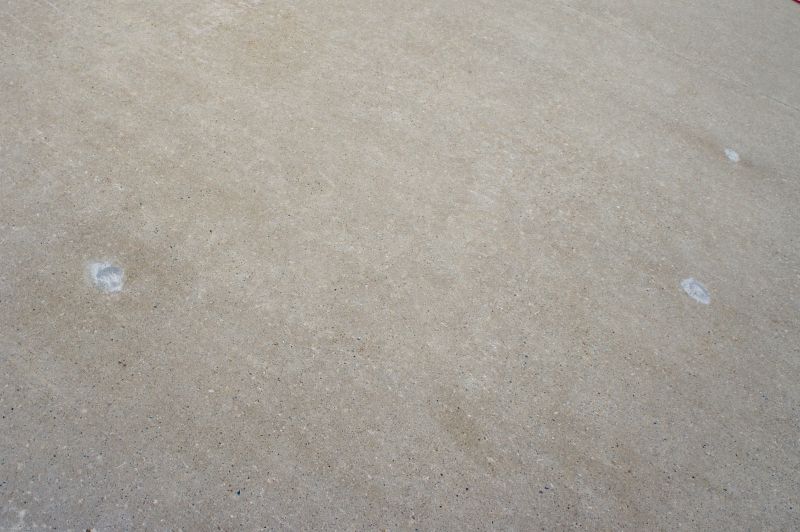
Showcasing the transformation of uneven concrete surfaces.
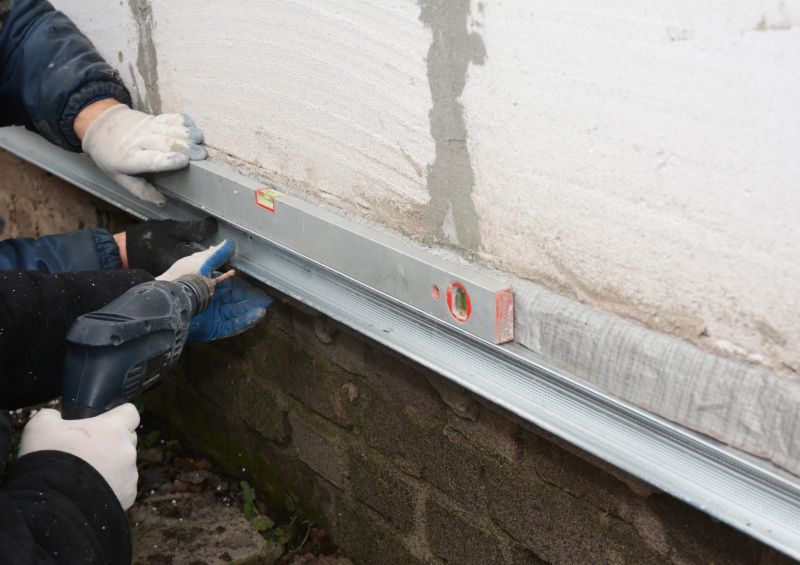
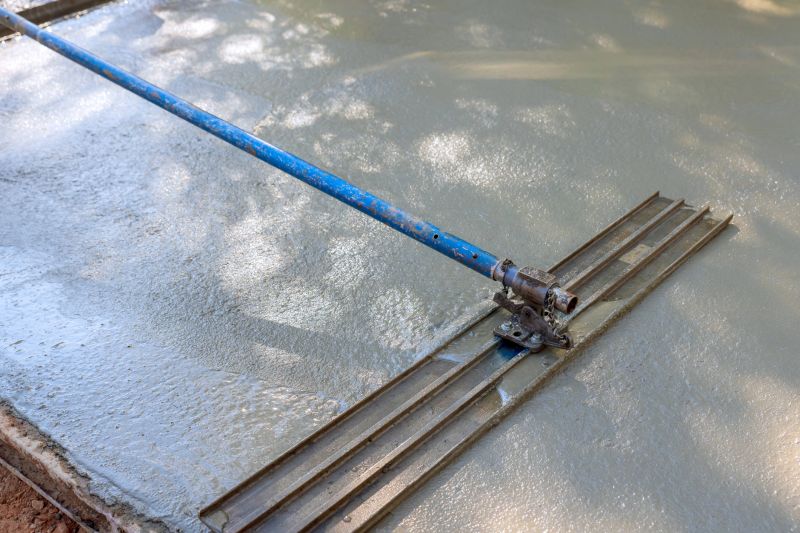
Equipment designed for precise and efficient leveling.
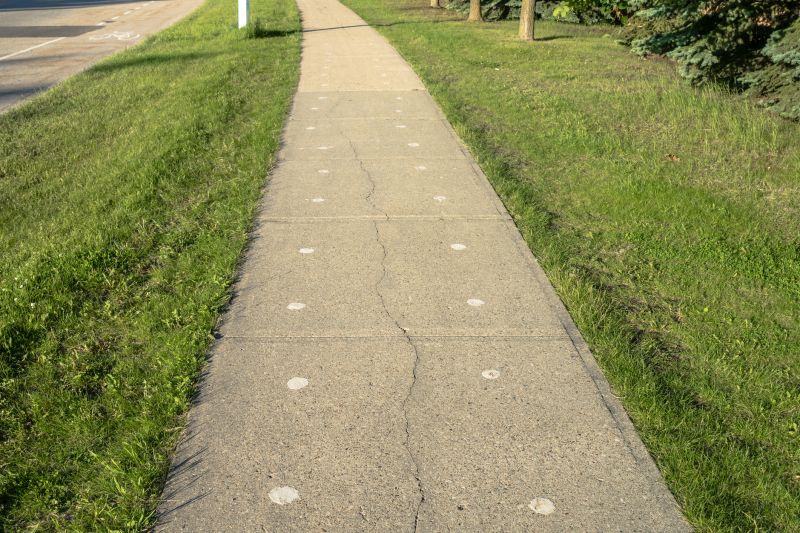
Optimal weather for concrete leveling.
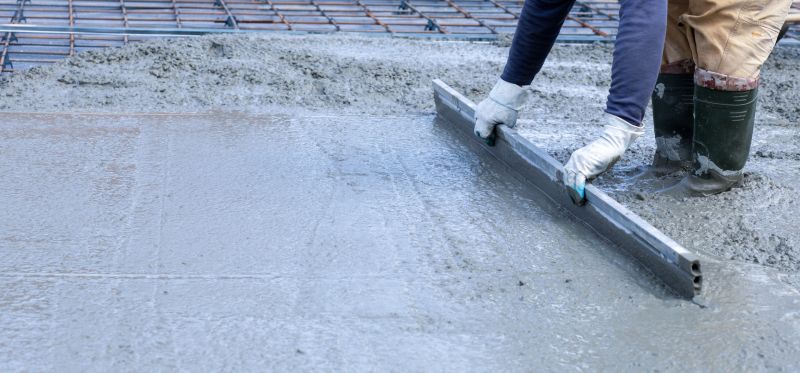
Important steps after leveling to ensure durability.
Common areas for concrete leveling.
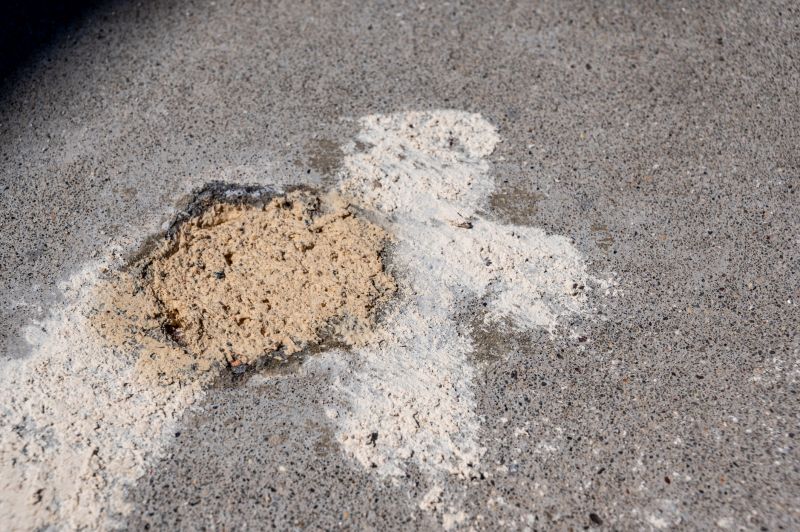
Leveling to improve safety and appearance.
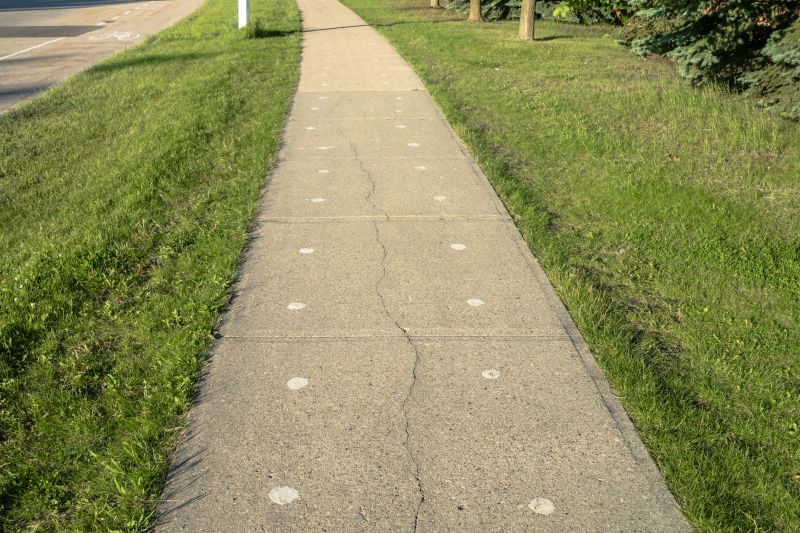
Ensuring smooth and safe pedestrian paths.
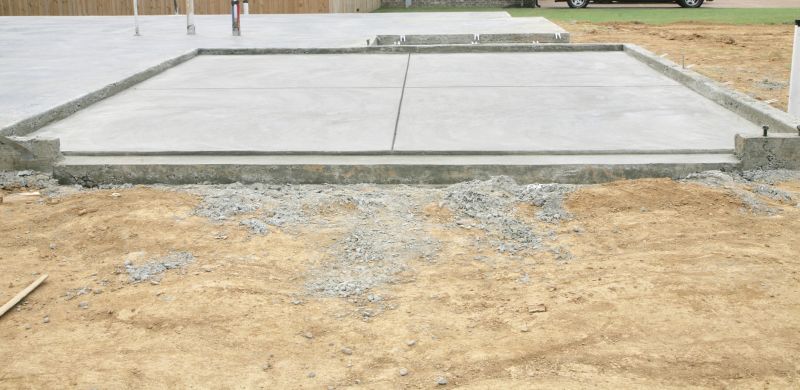
Stabilizing slabs for structural integrity.
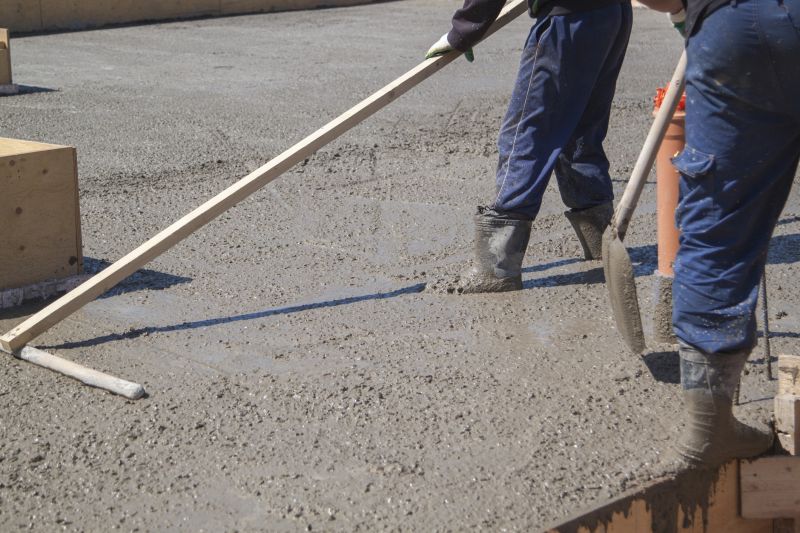
Steps before applying leveling materials.
| Season | Temperature Range |
|---|---|
| Spring | 50°F to 85°F |
| Fall | 50°F to 85°F |
| Summer | Above 85°F (with precautions) |
| Winter | Below 50°F (not recommended) |
| Ideal Conditions | Moderate temperatures and dry weather |
Concrete levelings are essential for maintaining the safety and appearance of various surfaces. Proper timing ensures the process is effective, minimizes risks, and extends the lifespan of the repair. Scheduling during favorable weather conditions results in a more durable and lasting solution, reducing the need for future repairs.
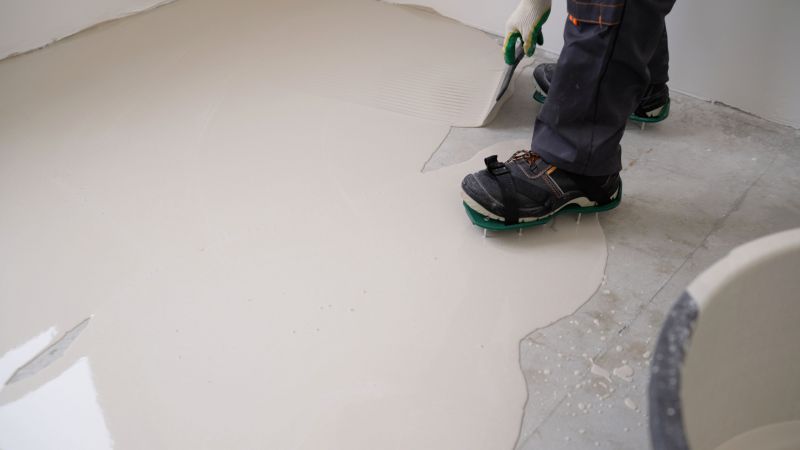
Technicians applying leveling compound.
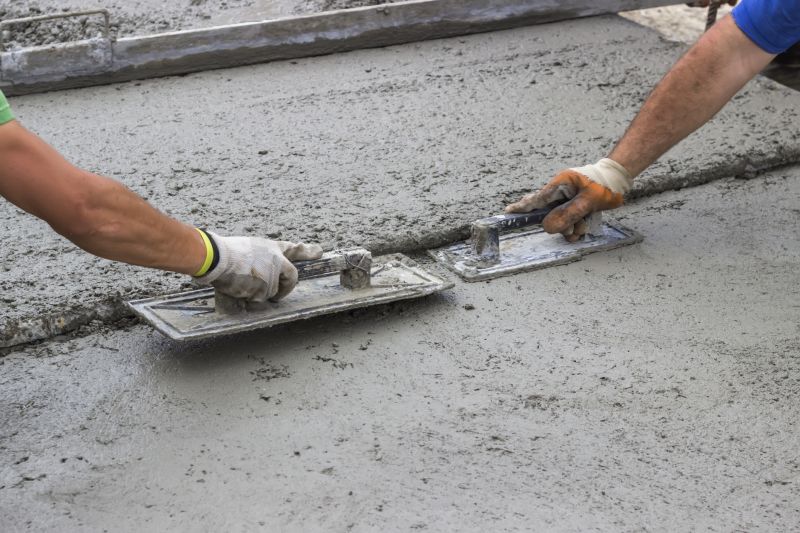
Smooth, level concrete slab.
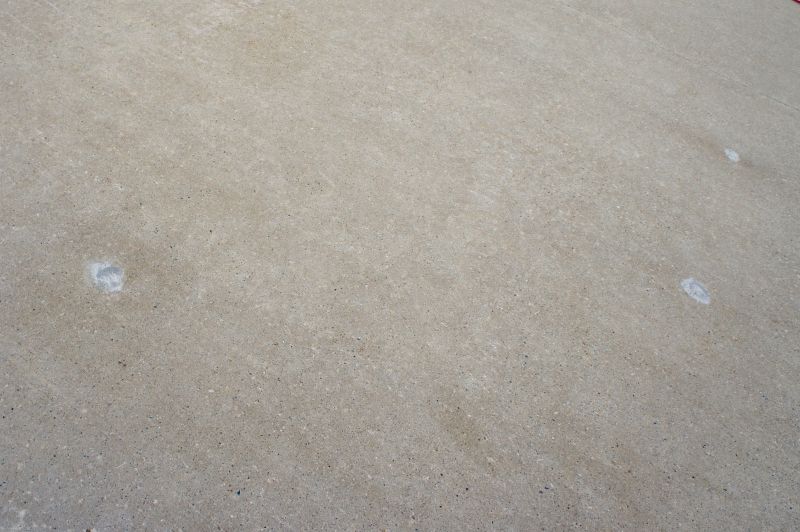
Before and after comparison.
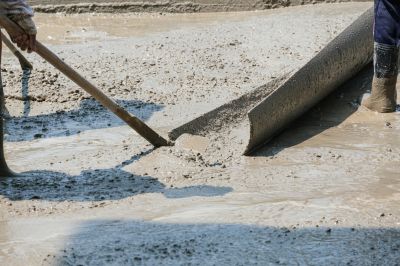
Ensuring proper setting of the material.
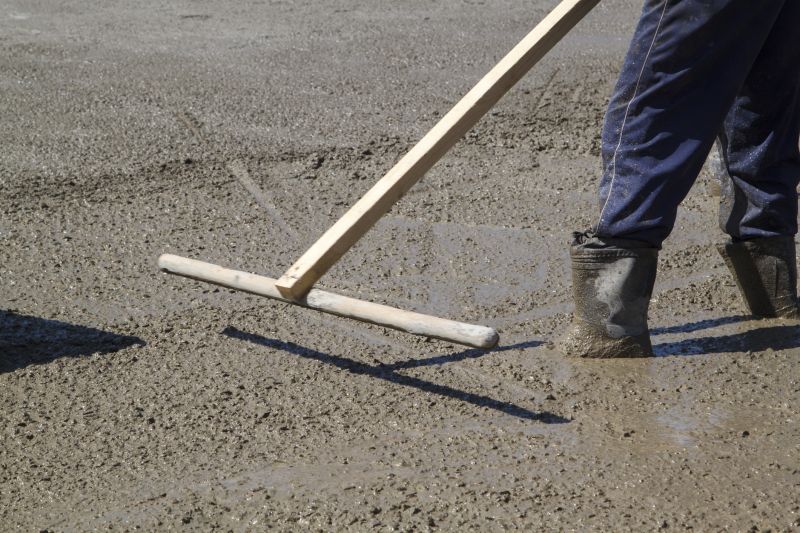
Ways to make Concrete Levelings work in tight or awkward layouts.
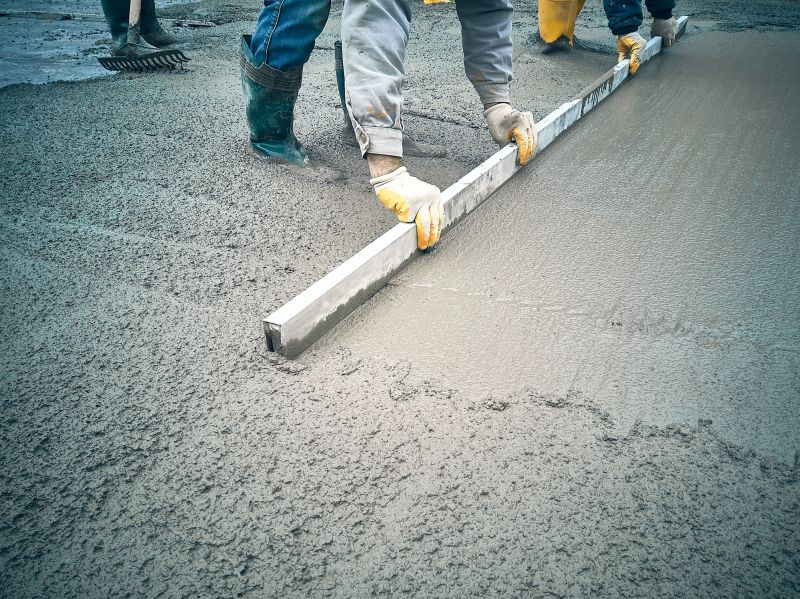
Popular materials for Concrete Levelings and why they hold up over time.
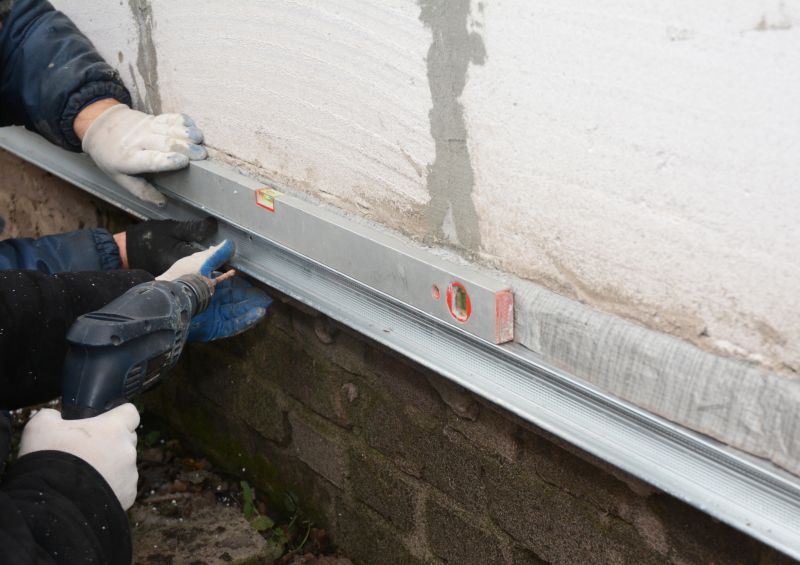
Simple add-ons that improve Concrete Levelings without blowing the budget.
High-end options that actually feel worth it for Concrete Levelings.
Interested in scheduling concrete levelings? Filling out the contact form provides the opportunity to discuss the best timing options for specific surfaces and conditions, ensuring optimal results for each project.